Vue3 Typescript Template With Quasar framework
June 18, 2026 · View on GitHub
ENGLISH SUMMARY: ARCHITECTURE AND TECH STACK
Architecture Design and Tech Stack Summary: Hybrid Class and Composition API Paradigm
This project adopts a highly optimized hybrid programming paradigm, aiming to combine the structural benefits of Class syntax with the flexibility of the Composition API, ensuring maintainability and clarity in complex projects.
I. Core Tech Stack and Paradigm
Module Key Tool Architectural Role Class Syntax Core vue-facing-decoratorUsed for implementing business pages and Vuex modules, providing an object-oriented structure. State Management vuex-module-decoratorsImplements type-safe Class-based Vuex modules. Base Components Standard Vue 3 setupSyntaxUsed for building general, loosely coupled base components (e.g., pagination, form inputs). Build Environment Webpack 5 Responsible for handling the compilation and compatibility of Class structures and modern JavaScript. II. Design Advantages and Maintainability
- Structure over Flatness: In complex business pages, Class syntax provides a more organized and intuitive alternative to the raw Composition API
setuplogic.- Inheritance Model: Component extension utilizes the clean
extendsyntax (instead ofmixin), ensuring a clear inheritance chain and more reliable type inference.- Modular Design: Base component libraries (e.g.,
Pagination) are modularly encapsulated, achieving high reusability.III. Business Code Organization (Class Area Segmentation)
The Class structure enforced on business code mandates clear functional segmentation, significantly enhancing code readability and maintenance efficiency:
Class Member Area Functional Description Purpose propsExternal Interface Definition Declares the component's external input data. get/setComputed Properties Manages derived state and two-way binding logic. watchReactive Side Effects Centralizes logic for handling state change listeners. paramsParameters & Configuration Unifies the declaration of all required request parameters or internal configurations. event(e.g.,handleClick)User Interaction Handling Clearly defines methods triggered by user actions. http(Async/Await)Asynchronous Requests Centralizes and executes all HTTP data fetching logic, optimizing data flow tracing.
中文总结:架构设计与开发规范
架构设计与开发规范总结:基于 Class 与 Composition API 的混合范式
该项目采用了一种高度优化的混合编程范式,旨在结合 Class 语法的结构优势和 Composition API 的灵活性,确保复杂项目的可维护性和清晰度。
I. 核心技术栈与范式
模块 关键工具 架构角色 Class 语法核心 vue-facing-decorator负责业务页面和Vuex 模块的实现,提供面向对象的代码结构。 状态管理 vuex-module-decorators实现类型安全的 Class-based Vuex 模块。 基础组件 标准 Vue 3 setup语法用于构建通用、低耦合的组件库(如分页、表单输入)。 构建环境 Webpack 5 负责处理所有 Class 结构和现代 JavaScript 的转译与兼容性。 II. 设计优势与可维护性提升
- 结构化优于扁平化: 在复杂的业务页面中,Class 语法比 Composition API 的
setup逻辑更直观、更具组织性。- 继承模型: 组件扩展使用清晰的
extend语法,避免了mixin带来的隐式依赖和属性冲突问题。- 模块化设计: 基础组件库(例如
Pagination)采用模块化封装,实现高复用性。III. 业务代码组织规范 (Class 区域划分)
使用 Class 结构强制对业务逻辑进行清晰的分层,显著提升了代码的可读性和维护效率:
Class 成员区域 对应功能描述 作用 props外部接口定义 声明组件的外部输入数据。 get/set计算属性 负责派生状态和双向绑定逻辑。 watch响应式副作用 集中处理状态变化时的监听逻辑。 params参数与配置 统一声明组件所需的所有请求参数或内部配置。 event(e.g.,handleClick)事件处理 明确定义由用户交互触发的方法。 http(Async/Await)异步请求 集中管理和执行所有 HTTP 数据请求,优化数据流追踪。
-
Vue3 Class syntax online preview https://dirkhe1051931999.github.io/v3-admin
-
Vue2 Class syntax preview https://dirkhe1051931999.github.io/quasar
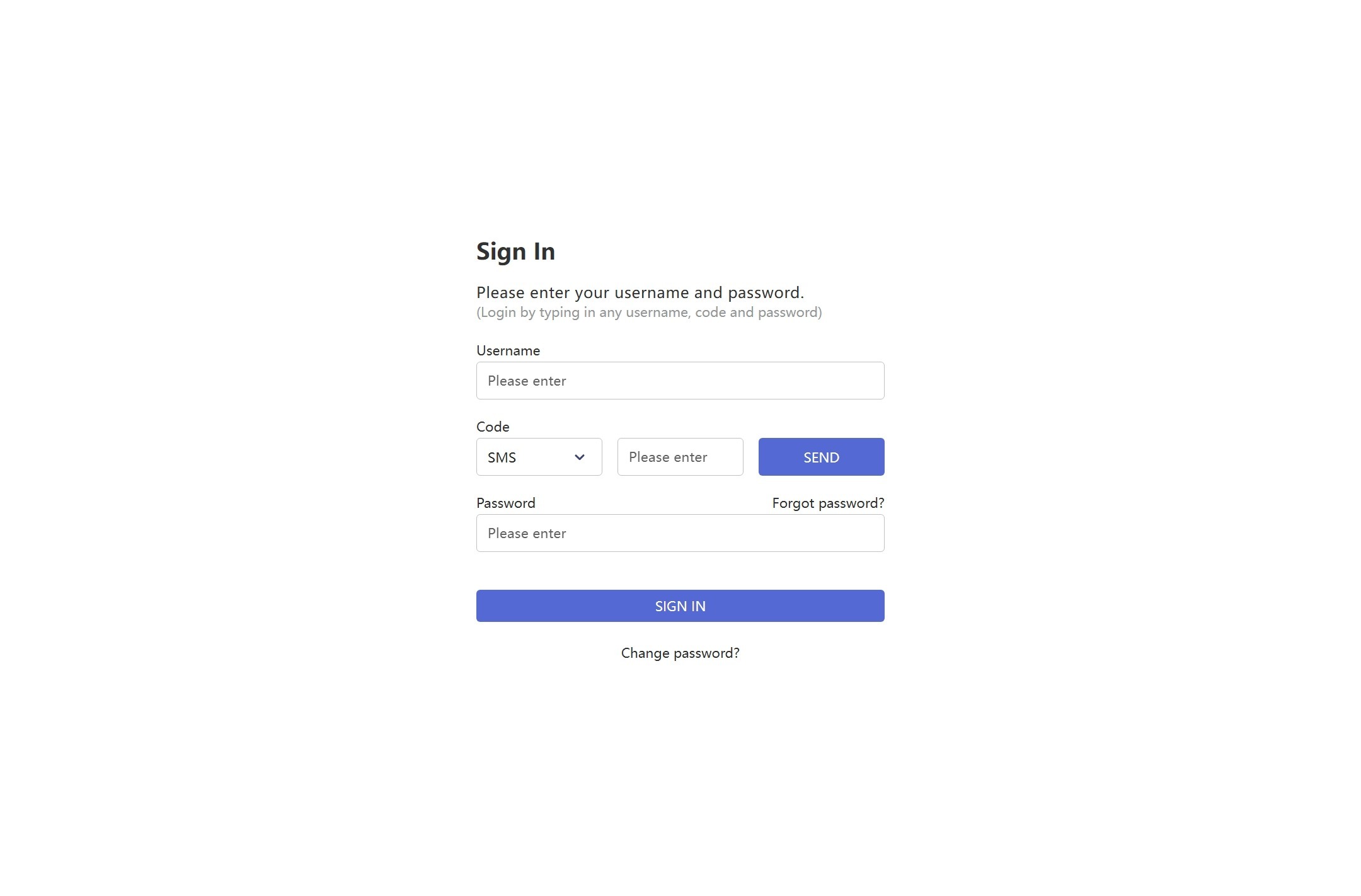
Login by typing in any username, code and password
Preview
- Login
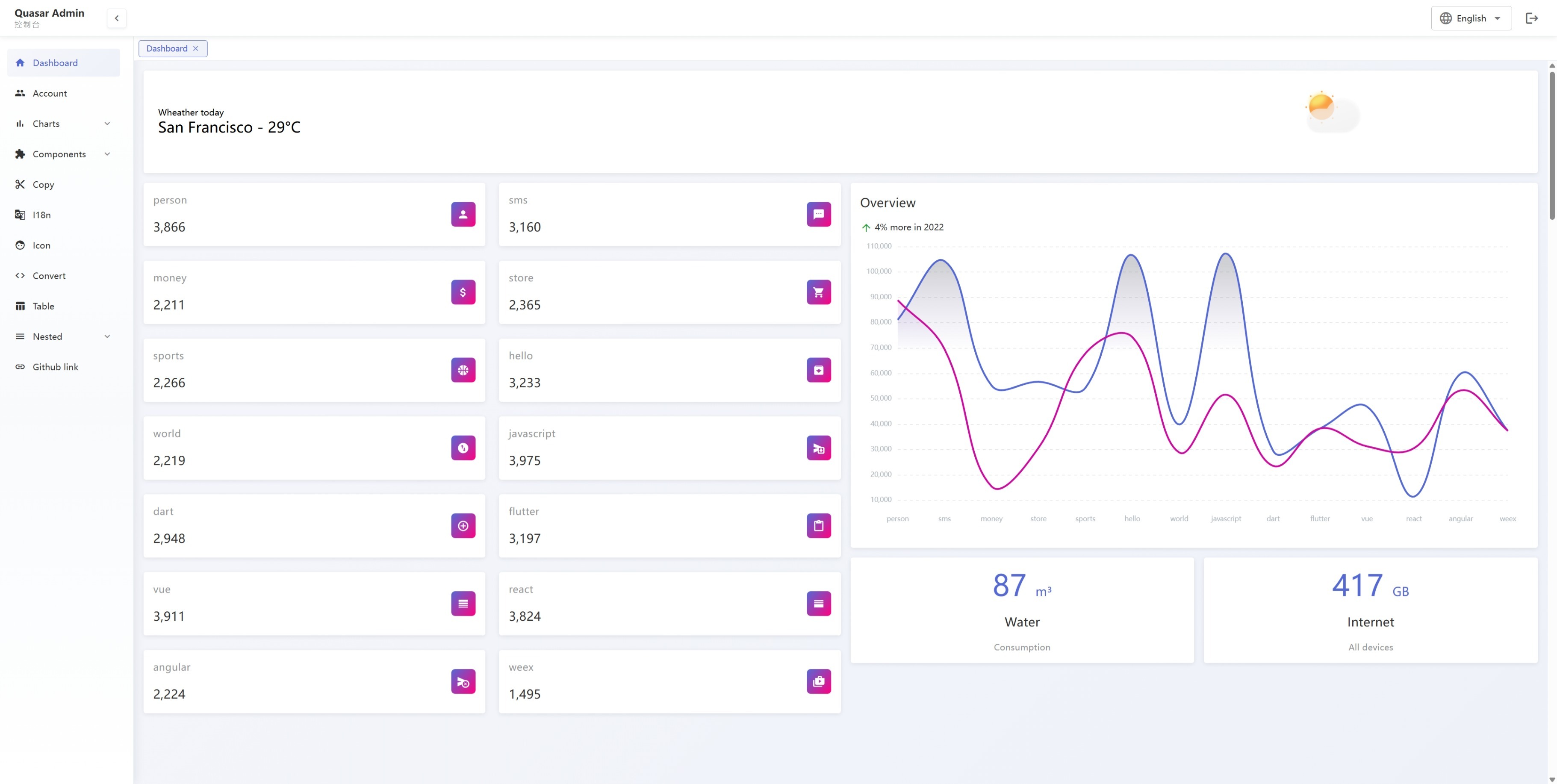
- Dashboard
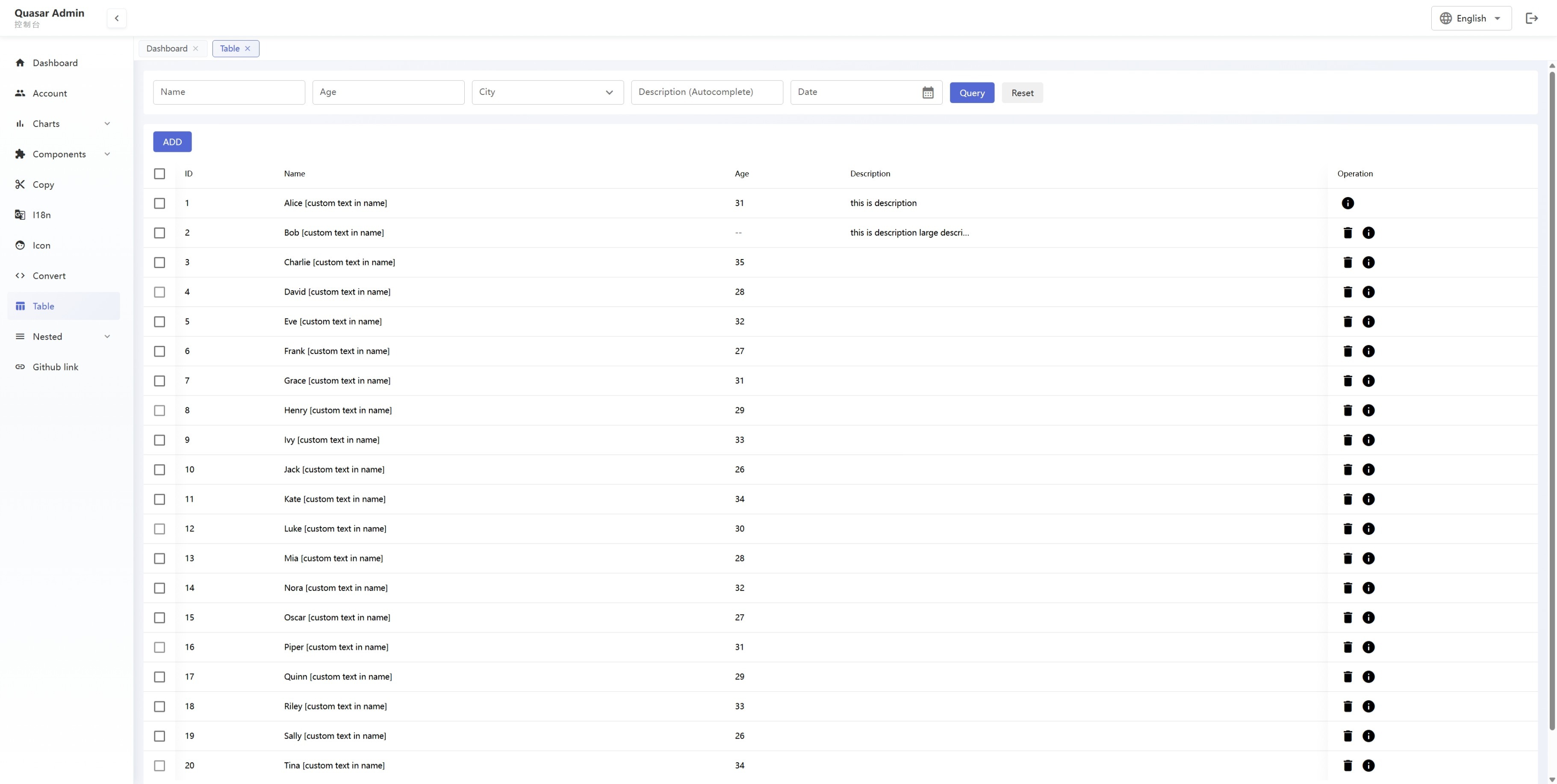
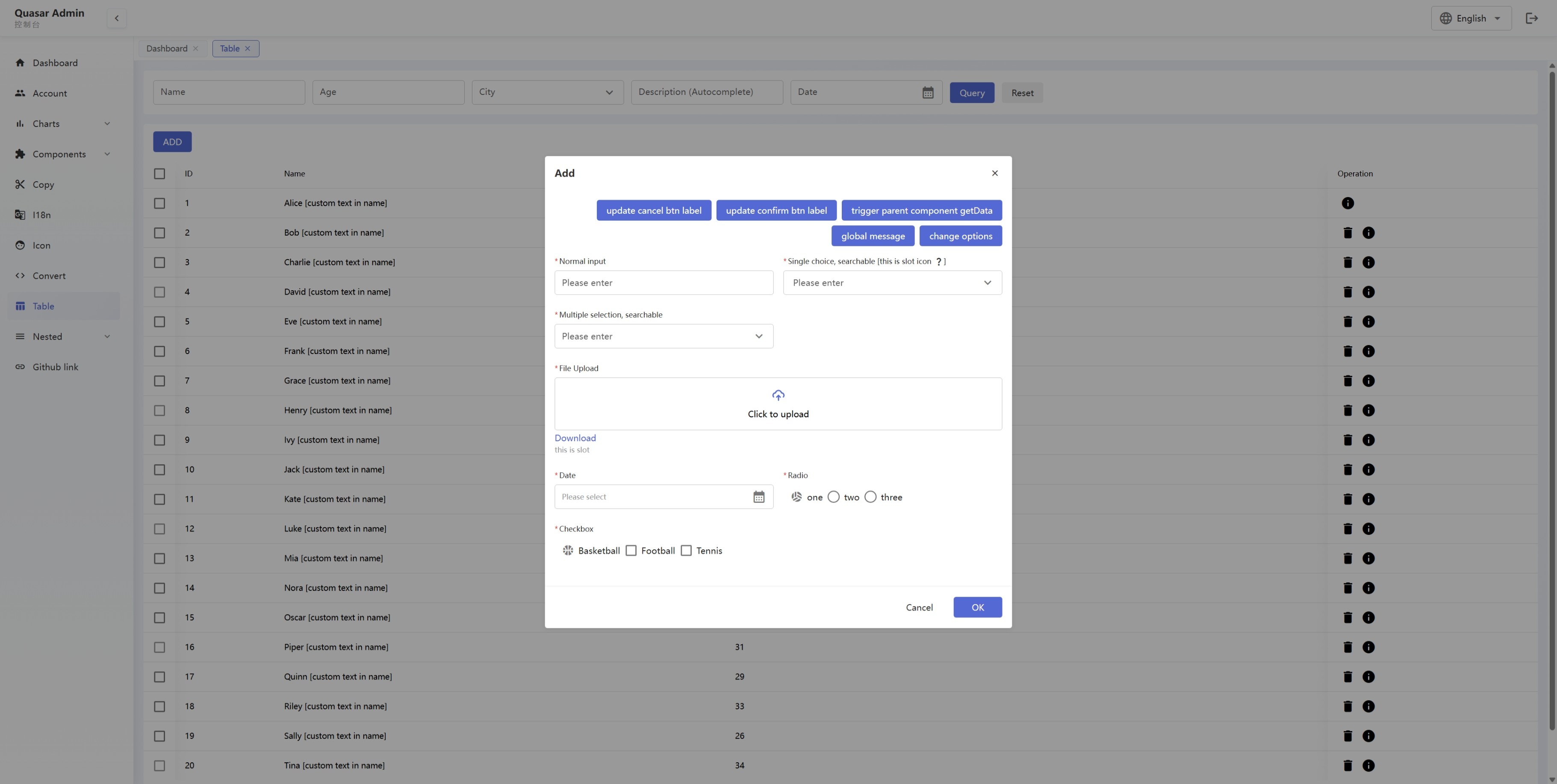
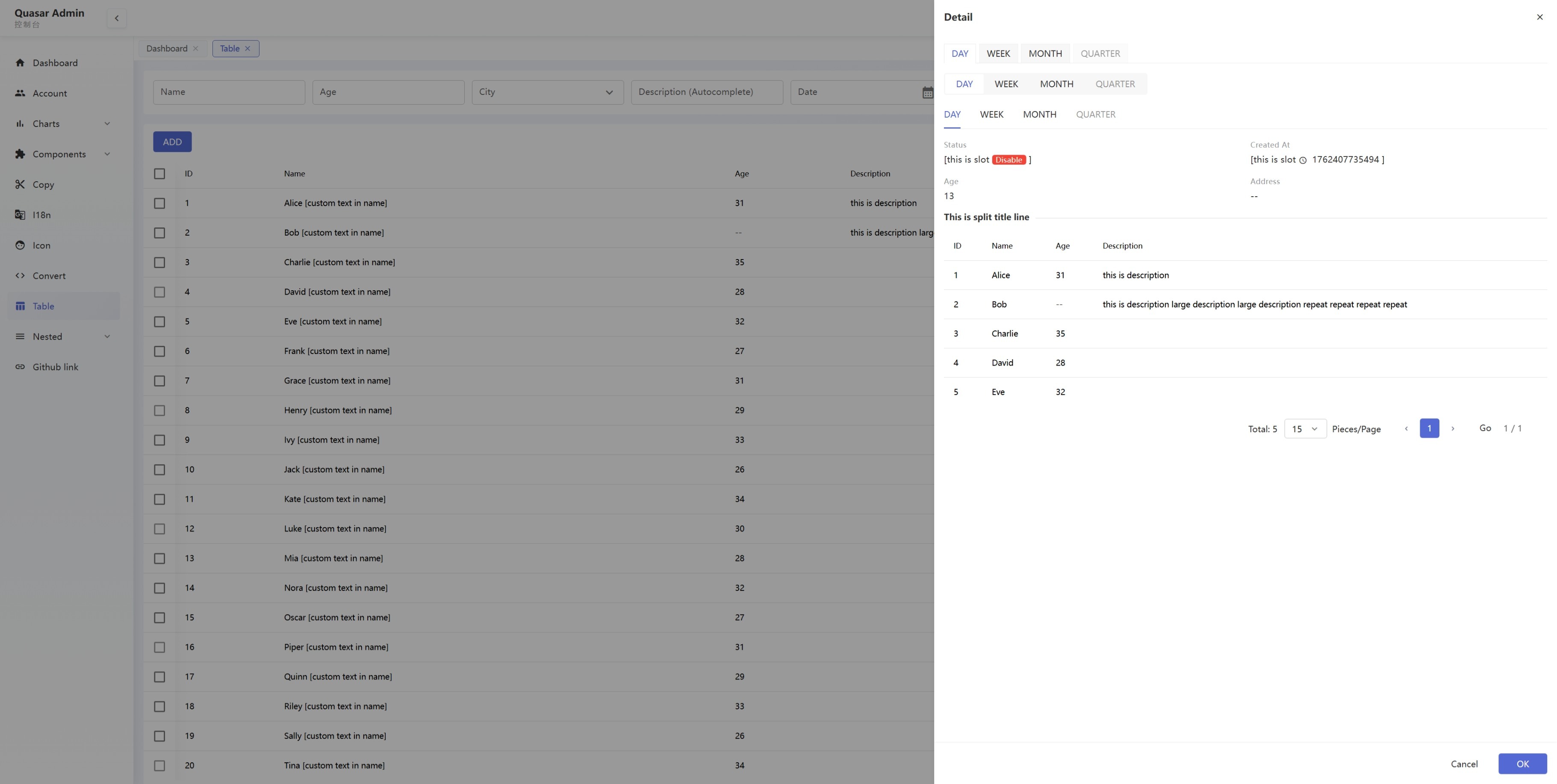
- Table component
Install the dependencies (only support yarn)
yarn
Start the app in development mode (hot-code reloading, error reporting, etc.)
yarn dev
Lint the files
yarn lint
# or
npm run lint
Format the files
yarn format
# or
npm run format
generate svg
npm run svg
# will generate svg map file -> src/utils/custom-svg.ts
Build the app for production
npm run build
Publish V3 Admin Webpack
GitHub Actions publishes the v3-admin-webpack branch to:
https://dirkhe1051931999.github.io/v3-admin/
The workflow uses RELEASE_TOKEN from Actions secrets and variables to push the built files into the v3-admin directory of dirkhe1051931999/dirkhe1051931999.github.io.
The production public path is configured by src/setting.json:
"publicPath": "/v3-admin/"
Layout component paths are case-sensitive in the Linux GitHub Actions runner. Keep sidebar imports under src/layouts/components/Sidebar with the same uppercase Sidebar directory casing.