Astray
June 22, 2026 · View on GitHub

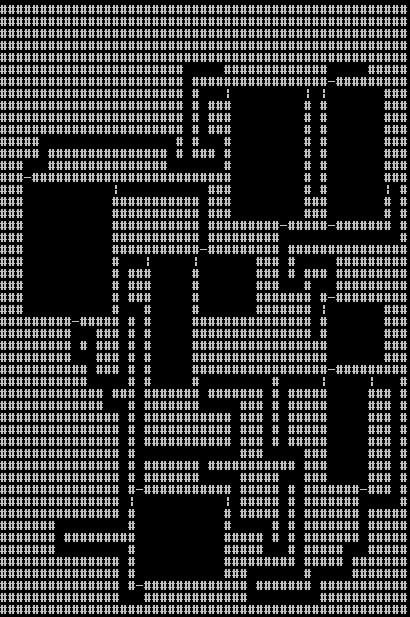
Astray is a robust Lua library for procedural generation of mazes, rooms, and dungeons. It provides a flexible system for creating diverse layouts suitable for dungeon crawlers, roguelikes, and other games requiring procedural map generation.
Features
- Procedural maze generation using modified depth-first search
- Customizable room placement and connection
- Configurable parameters for dungeon characteristics:
- Corridor density and sparseness
- Room size and quantity
- Dead end frequency
- Direction change probability
- ASCII map output with customizable tiles
- Support for different cell types (corridors, rooms, doors)
Installation
- Copy the Astray folder to your project:
git clone https://github.com/SiENcE/astray.git
- Include the library in your Lua code:
local astray = require('astray')
Quick Start
local astray = require('astray')

-- Initialize generator with desired parameters
-- Note: Astray generates uneven-sized maps (e.g., 39x39 from 40x40 input)
local height, width = 40, 40
local generator = astray.Astray:new(
    width/2-1,                -- Map width
    height/2-1,               -- Map height
    30,                       -- Change direction modifier (1-30)
    70,                       -- Sparseness modifier (25-70)
    50,                       -- Dead end removal modifier (50-99)
    astray.RoomGenerator:new( -- Room generator configuration
        4,                    -- Number of rooms
        2, 4,                -- Min/Max room width
        2, 4                 -- Min/Max room height
    )
)

-- Generate dungeon
local dungeon = generator:Generate()

-- Convert to ASCII tiles
local tiles = generator:CellToTiles(dungeon)

-- Print the dungeon
for y = 0, #tiles[1] do
    local line = ''
    for x = 0, #tiles do
        line = line .. tiles[x][y]
    end
    print(line)
end
Configuration
Astray Constructor Parameters
Astray:new(width, height, changeDirectionMod, sparsenessMod, deadEndRemovalMod, roomGenerator, seed)
| Parameter | Range | Description |
|---|---|---|
| width | > 0 | Width of the dungeon in even numbers (map will be uneven) |
| height | > 0 | Height of the dungeon in even numbers (map will be uneven) |
| changeDirectionMod | 1-30 | Higher values create more winding corridors |
| sparsenessMod | 25-70 | Higher values create sparser layouts (fewer corridors, larger wall regions) |
| deadEndRemovalMod | 50-99 | Higher values remove more dead ends |
| roomGenerator | — | A RoomGenerator instance (see below) |
| seed | optional | Pass a number for a reproducible dungeon; omit for a random one each run |
Room Generator Parameters
RoomGenerator:new(rooms, minWidth, maxWidth, minHeight, maxHeight)
| Parameter | Description |
|---|---|
| rooms | Number of rooms to generate |
| minWidth | Minimum room width |
| maxWidth | Maximum room width |
| minHeight | Minimum room height |
| maxHeight | Maximum room height |
Customizing Tiles
You can customize the appearance of generated dungeons by providing a tile mapping:
local symbols = {
    Wall = '#',
    Empty = ' ',
    DoorN = '-',  -- north/south doors sit in horizontal walls
    DoorS = '-',
    DoorE = '|',  -- east/west doors sit in vertical walls
    DoorW = '|'
}

local tiles = generator:CellToTiles(dungeon, symbols)
Map Size
A maze is a grid of cells separated by walls, so CellToTiles produces a grid
of cells * 2 + 1 tiles per axis — always an odd number. With
cells = size/2 - 1, the natural output lands one tile short of an even target
(e.g. 40 → 39).
To get an exact size, pass the desired width and height to CellToTiles. It
pads the grid with wall tiles up to that size, keeping the maze sealed:
local width, height = 40, 40
local generator = astray.Astray:new(width/2-1, height/2-1, 30, 70, 50,
    astray.RoomGenerator:new(4, 2, 4, 2, 4))

-- Pad the natural 39x39 grid up to an exact 40x40
local tiles = generator:CellToTiles(dungeon, symbols, width, height)
Targets smaller than the natural size are ignored — cropping would expose cell interiors and leave the maze unsealed. Omit the target arguments to keep the natural odd size.
Example Output
Map size=       39      39
▓▓▓▓▓▓▓▓▓▓▓▓▓▓▓▓▓▓▓▓▓▓▓▓▓▓▓▓▓▓▓▓▓▓▓▓▓▓▓
▓▓▓                 ▓▓▓▓▓▓▓▓▓▓▓▓▓▓▓▓▓▓▓
▓▓▓ ▓▓▓-▓▓▓▓▓▓▓▓▓▓▓ ▓▓▓▓▓▓▓▓▓▓▓▓▓▓▓▓▓▓▓
▓▓▓   |       ▓▓▓▓▓ ▓▓▓▓▓▓▓▓▓▓▓▓▓▓▓▓▓▓▓
▓▓▓▓▓▓▓       ▓▓▓▓▓ ▓▓▓▓▓▓▓▓▓▓▓▓▓▓▓▓▓▓▓
▓▓▓▓▓▓▓       ▓▓▓▓▓     ▓▓▓▓▓▓▓▓▓▓▓▓▓▓▓
▓▓▓▓▓▓▓▓▓▓▓▓▓-▓▓▓▓▓▓▓▓▓ ▓▓▓▓▓▓▓▓▓▓▓▓▓▓▓
▓▓▓▓▓▓▓▓▓▓▓▓▓   ▓▓▓▓▓▓▓     ▓▓▓▓▓▓▓▓▓▓▓
▓▓▓▓▓▓▓▓▓▓▓▓▓ ▓ ▓▓▓▓▓▓▓▓▓▓▓ ▓▓▓▓▓▓▓▓▓▓▓
▓▓▓▓▓▓▓▓▓▓▓▓▓ ▓ |   |       ▓   ▓▓▓▓▓▓▓
▓▓▓▓▓▓▓▓▓▓▓▓▓ ▓▓▓   ▓▓▓▓▓▓▓▓▓ ▓ ▓▓▓▓▓▓▓
▓▓▓▓▓▓▓▓▓▓▓▓▓ ▓▓▓   ▓▓▓▓▓     ▓       ▓
▓▓▓▓▓▓▓▓▓▓▓▓▓ ▓▓▓▓▓▓▓▓▓▓▓ ▓▓▓ ▓▓▓▓▓▓▓ ▓
▓   ▓▓▓▓▓▓▓▓▓ ▓▓▓▓▓▓▓▓▓▓▓ ▓▓▓ ▓▓▓▓▓▓▓ ▓
▓ ▓-▓▓▓▓▓▓▓▓▓ ▓▓▓▓▓▓▓▓▓▓▓ ▓▓▓ ▓▓▓▓▓▓▓ ▓
▓ |     ▓▓▓▓▓             ▓▓▓     ▓   ▓
▓ ▓     ▓▓▓▓▓▓▓▓▓▓▓▓▓▓▓▓▓▓▓▓▓▓▓▓▓ ▓ ▓▓▓
▓ ▓     ▓▓▓▓▓▓▓▓▓                 ▓   ▓
▓ ▓▓▓▓▓▓▓▓▓▓▓▓▓▓▓ ▓▓▓▓▓▓▓▓▓▓▓▓▓▓▓▓▓▓▓ ▓
▓ ▓▓▓▓▓▓▓▓▓▓▓▓▓▓▓ ▓▓▓▓▓▓▓▓▓▓▓▓▓▓▓▓▓▓▓ ▓
▓ ▓▓▓▓▓▓▓▓▓▓▓▓▓▓▓ ▓▓▓▓▓▓▓▓▓▓▓▓▓▓▓▓▓▓▓ ▓
▓ ▓▓▓▓▓▓▓▓▓▓▓▓▓▓▓ ▓▓▓▓▓▓▓▓▓▓▓         ▓
▓ ▓▓▓▓▓▓▓▓▓▓▓▓▓▓▓ ▓▓▓▓▓▓▓▓▓▓▓ ▓▓▓▓▓▓▓▓▓
▓ ▓▓▓▓▓▓▓▓▓▓▓▓▓▓▓ ▓▓▓         ▓▓▓▓▓▓▓▓▓
▓ ▓▓▓▓▓▓▓▓▓▓▓▓▓▓▓ ▓▓▓ ▓▓▓▓▓▓▓ ▓▓▓▓▓▓▓▓▓
▓   ▓▓▓▓▓▓▓▓▓▓▓▓▓ ▓▓▓ ▓▓▓▓▓▓▓ ▓▓▓▓▓   ▓
▓ ▓ ▓▓▓▓▓▓▓▓▓▓▓▓▓ ▓▓▓ ▓▓▓▓▓▓▓ ▓▓▓▓▓ ▓ ▓
▓         ▓▓▓▓▓▓▓ ▓▓▓     ▓▓▓ ▓▓▓▓▓   ▓
▓▓▓▓▓▓▓▓▓ ▓▓▓▓▓▓▓-▓▓▓▓▓▓▓ ▓▓▓ ▓▓▓▓▓ ▓▓▓
▓▓▓▓▓▓▓▓▓       |       | ▓▓▓ ▓▓▓▓▓   ▓
▓▓▓▓▓▓▓▓▓▓▓▓▓▓▓▓▓       ▓ ▓▓▓ ▓▓▓▓▓▓▓ ▓
▓▓▓▓▓▓▓▓▓▓▓▓▓▓▓▓▓       ▓ ▓▓▓ ▓▓▓▓▓▓▓ ▓
▓▓▓▓▓▓▓▓▓▓▓▓▓▓▓▓▓       ▓ ▓▓▓ ▓▓▓▓▓▓▓ ▓
▓▓▓▓▓▓▓▓▓▓▓▓▓▓▓▓▓       ▓ ▓▓▓         ▓
▓▓▓▓▓▓▓▓▓▓▓▓▓▓▓▓▓▓▓▓▓-▓▓▓ ▓▓▓▓▓▓▓▓▓▓▓▓▓
▓▓▓▓▓▓▓▓▓▓▓▓▓▓▓▓▓▓▓▓▓     ▓▓▓▓▓▓▓▓▓▓▓▓▓
▓▓▓▓▓▓▓▓▓▓▓▓▓▓▓▓▓▓▓▓▓ ▓ ▓▓▓▓▓▓▓▓▓▓▓▓▓▓▓
▓▓▓▓▓▓▓▓▓▓▓▓▓▓▓▓▓▓▓▓▓   ▓▓▓▓▓▓▓▓▓▓▓▓▓▓▓
▓▓▓▓▓▓▓▓▓▓▓▓▓▓▓▓▓▓▓▓▓▓▓▓▓▓▓▓▓▓▓▓▓▓▓▓▓▓▓
License
Distributed under the zlib/libpng License. See LICENSE for more information.
Contributing
- Fork the repository
- Create a feature branch (
git checkout -b feature/amazing-feature) - Commit your changes (
git commit -m 'Add amazing feature') - Push to the branch (
git push origin feature/amazing-feature) - Open a Pull Request
Acknowledgments
This work is based on various dungeon generation techniques and algorithms:
- Dirkkok's Random Dungeon Generation
- Myth-Weavers Dungeon Generator
- Thomas Bowker's Dungeon Generation
Support
For issues, questions, or contributions, please visit the GitHub repository.
Author
Florian Fischer